Introduction
Just as a chef needs the right tools to create culinary masterpieces, farmers require specialized equipment to cultivate bountiful crops. Enter the dynamic duo of farm machinery: the rotavator and cultivator. These unsung heroes of agriculture are transforming the way we prepare soil, making the arduous task of field preparation as smooth as spreading butter on warm toast.
In this guide, we’ll explore why every farmer, from small-scale gardeners to large agricultural operations, should consider adding a rotavator and cultivator to their toolshed. We’ll dig into how these implements can save time, improve soil health, and ultimately lead to better crop yields.
1. Understanding Rotavators and Cultivators
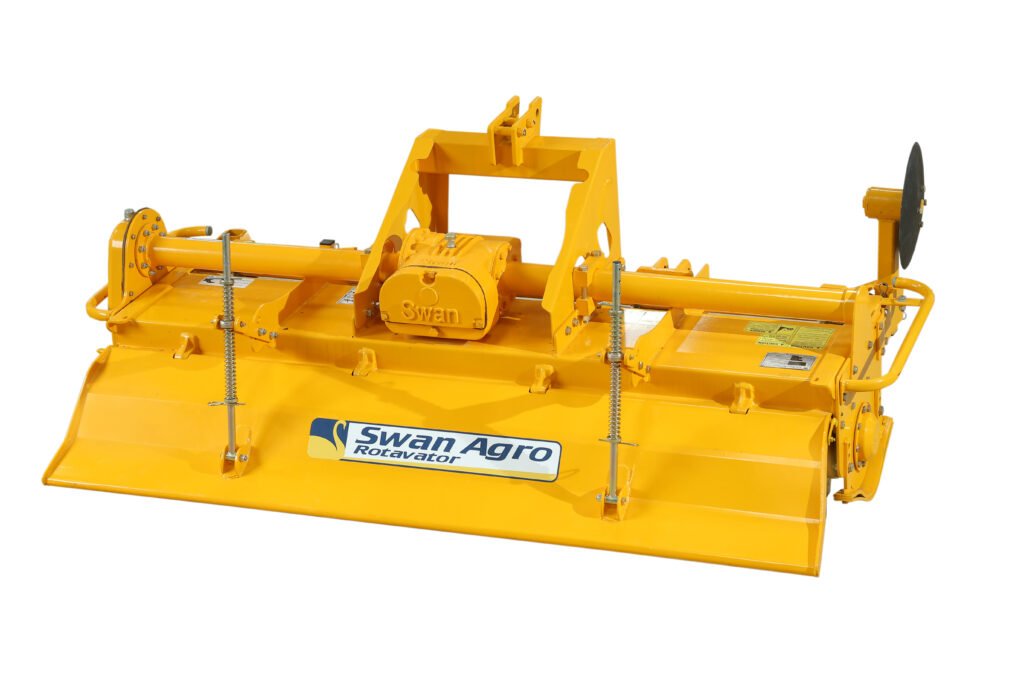
Rotavators, also known as rotary tillers, use rotating blades to break up soil. Imagine a giant egg beater for your garden – that’s essentially what a rotavator does. It churns up the earth, breaking down clumps and incorporating organic matter into the soil.
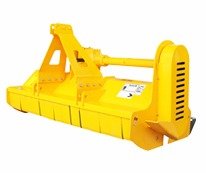
Cultivators, on the other hand, are like combs for your soil. They have tines or teeth that drag through the earth, breaking up the top layer and uprooting weeds. Cultivators come in various sizes, from hand-held tools to large tractor-mounted implements.
Both these tools work together to create the perfect environment for planting, much like how a baker kneads and shapes dough before baking bread.
2. The Science of Soil Preparation
Proper soil preparation is crucial for successful crop growth. Here’s why:
– Aeration: Well-prepared soil allows air to circulate, providing oxygen to roots and soil microorganisms.
– Water Retention: Properly tilled soil can hold water more effectively, reducing runoff and conserving moisture.
– Nutrient Distribution: Mixing the soil helps distribute nutrients evenly.
– Weed Control: Tilling and cultivating can disrupt weed growth, giving your crops a competitive edge.
3. Benefits of Using a Rotavator
Time-Saving Powerhouse
Rotavators can accomplish in hours what might take days with manual tools. This time-saving aspect is crucial during narrow planting windows.
Uniform Soil Texture
A rotavator’s spinning blades create a consistent soil texture, essential for even seed germination and root development.
Deep Soil Penetration
Rotavators can reach deeper into the soil profile, breaking up compacted layers and improving drainage.
Organic Matter Incorporation
Rotavators excel at mixing compost or other organic materials into your soil, creating a rich, fertile environment for your crops.
4. Advantages of Incorporating a Cultivator
Precision Weed Control
Cultivators excel at uprooting weeds without disturbing your crops, reducing the need for herbicides.
Soil Crust Breaking
A quick pass with a cultivator can break soil crusts that form after rain, giving young plants a fighting chance.
Water Conservation
By creating a loose top layer of soil, cultivators help reduce evaporation, keeping moisture in the ground where plants need it.
Promoting Root Growth
Regular cultivation encourages roots to spread and grow deeper, leading to healthier, more resilient crops.
5. Comparing Traditional Methods to Modern Machinery
Traditional farming relied on manual labor with hoes and spades, which is time-consuming and physically demanding. Modern rotavators and cultivators offer:
– Increased efficiency: Cover more ground with less effort
– Consistency: Provide uniform soil preparation across fields
– Scalability: Can handle large acreages, essential for commercial farming
– Precision: Offer adjustable depth settings for specific crop needs
6. Environmental Impact of Efficient Soil Preparation
Rotavators and cultivators can contribute to sustainable farming practices:
– Reduced fuel consumption: Fewer passes over the field mean lower emissions
– Minimized soil erosion: Proper use helps maintain soil structure
– Decreased chemical dependence: Better weed control reduces herbicide use
– Water conservation: Well-prepared soil retains moisture more effectively
7. Cost-Benefit Analysis of Investing in Farm Equipment
While the upfront cost can be substantial, consider these long-term benefits:
– Labor savings: Significantly reduces the need for manual labor
– Increased productivity: Faster soil preparation allows for more cultivated area
– Improved crop quality and yield: Better soil conditions often lead to healthier crops
– Long-term savings: Efficiency gains often outweigh initial expenses
8. Maintenance and Care for Longevity
To maximize your investment, proper maintenance is key:
– Regular cleaning: Remove dirt and debris after each use
– Blade and tine inspection: Check for damage or wear regularly
– Lubrication: Keep all moving parts well-lubricated
– Proper storage: Store tools in a dry, covered area
– Timely repairs: Address issues promptly to prevent major breakdowns
9. Choosing the Right Rotavator and Cultivator for Your Farm
Consider these factors when selecting equipment:
– Farm size and terrain: Match equipment size and power to your operation
– Soil type: Different soils may require specific features
– Crop types: Consider the depth and type of soil preparation your crops need
– Tractor compatibility: Ensure implements are compatible with your existing machinery
– Budget: Balance immediate costs with long-term value and durability
10. Conclusion: Cultivating Success with the Right Tools
Rotavators and cultivators are more than just farm implements – they’re catalysts for agricultural success. By embracing these tools, farmers can save time, improve soil health, increase yields, and contribute to sustainable farming practices.
Whether you’re tending a small garden or managing vast fields, the right soil preparation tools can make all the difference. They’re an investment in your land, your crops, and ultimately, in the future of farming.
Remember, just as a skilled chef selects the finest knives, a savvy farmer chooses the best rotavator and cultivator for their needs. By doing so, you’re not just preparing soil – you’re cultivating a foundation for bountiful harvests and a thriving agricultural future.
Frequently Asked Questions (FAQs)
1. How often should I use a rotavator on my fields?
The frequency depends on your soil type, crops, and climate. Generally, once or twice a year is sufficient for most farms. Consult with a local agricultural expert for personalized advice.
2. Can cultivators be used for weed control throughout the growing season?
Yes, cultivators are excellent for weed control between crop rows during the growing season. Proper timing and technique are crucial to avoid damaging crop roots.
3. Are rotavators and cultivators suitable for no-till farming systems?
While rotavators are typically not used in no-till systems, certain cultivators can be adapted for minimal soil disturbance in conservation tillage practices.
4. What safety precautions should I take when operating a rotavator or cultivator?
Always wear appropriate protective equipment, keep guards in place, maintain a safe distance for bystanders, and follow all safety guidelines in the operator’s manual.
5. How do I determine the right size of rotavator or cultivator for my farm?
Consider your farm size, tractor horsepower, soil type, and crops. Generally, match the implement width to your tractor size and field dimensions for optimal efficiency. Consult with equipment dealers or agricultural extension services for personalized recommendations.