Rotavators have become essential tools in modern farming, helping farmers prepare their land efficiently. But how do these incredible machines come into being? Rotavator manufacturing is a detailed process that requires careful planning, design, and production techniques to ensure they meet the needs of farmers. In this guide, we’ll take you through every step of this journey—from conceptualization to final production.
1. Introduction to Rotavators
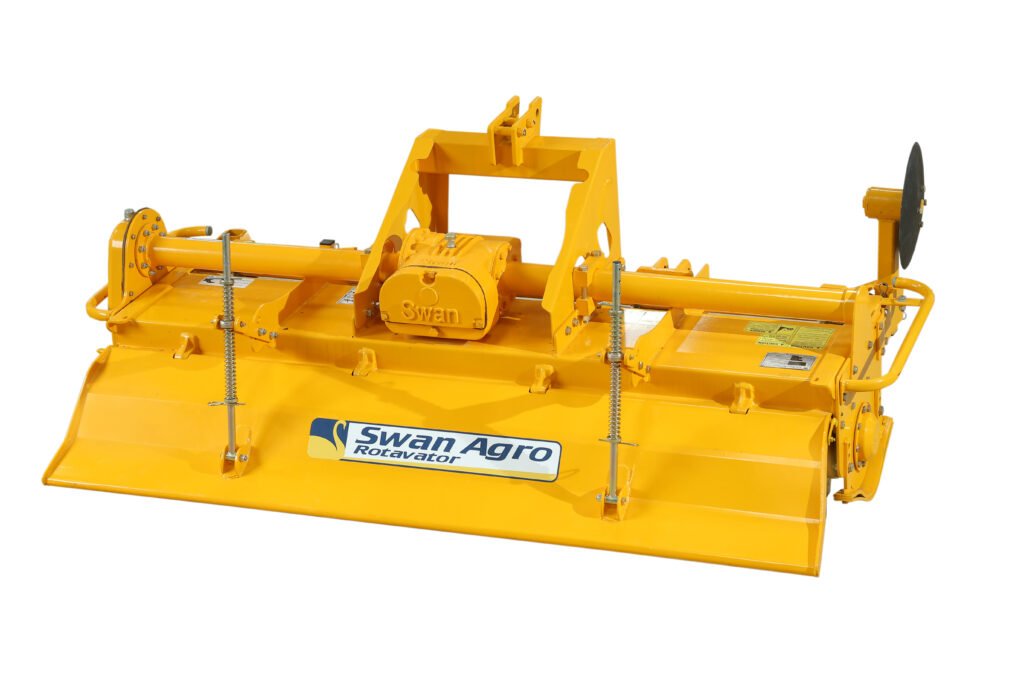
Rotavators, often referred to as rotary tillers, are agricultural machines used to till soil, break it up, and prepare it for planting. They save farmers a significant amount of time and energy compared to traditional methods. But how are these complex machines created? The process behind rotavator manufacturing is an intricate one, combining engineering expertise with precision craftsmanship.
2. What is Rotavator Manufacturing?
Simply put, rotavator manufacturing involves the complete process of designing, producing, and assembling these machines. Each stage requires careful consideration of durability, efficiency, and cost-effectiveness. It’s a balance of science and art—much like crafting a masterpiece with heavy-duty tools.
3. Key Stages in the Manufacturing Process
The process of rotavator manufacturing can be broken down into several stages:
1. Conceptualization and Design: Engineers and designers work together to create the basic model of the rotavator.
2. Prototyping: A working prototype is built to test the design’s efficiency.
3. Materials Selection: Manufacturers choose durable, long-lasting materials that can withstand the rigors of farming.
4. Production: The rotavator parts are produced using a combination of modern manufacturing techniques.
5. Assembly: All parts are assembled, and the machine is tested for quality.
6. Packaging and Distribution: The final product is prepared for shipment to markets worldwide.
4. Design and Development of Rotavators
The design process is where it all begins. Engineers create 3D models using CAD (Computer-Aided Design) software to ensure each component fits together seamlessly. They also take into account factors like the terrain, climate, and types of crops that the rotavator will be used for. The goal? A machine that is not only powerful but also easy to operate.
Much like designing a car, every part of the rotavator must serve a purpose while remaining efficient. It’s a delicate balancing act between form and function.
5. Materials Used in Rotavator Production
When it comes to building a durable rotavator, the materials used are just as important as the design itself. Manufacturers typically use:
– Steel: for its strength and durability.
– Alloys: to ensure parts are lightweight yet tough.
– Plastic and Rubber Components: for flexibility and ease of movement.
These materials must be able to withstand wear and tear, extreme weather conditions, and constant use in the field.
6. Manufacturing Techniques
Modern rotavator manufacturing involves a range of techniques, from traditional methods to the latest innovations in automation. These include:
– Casting: For creating the larger, heavy-duty parts like the body and blades.
– Machining: CNC machines are often used to craft the precision parts of the rotavator.
– Welding: To ensure that parts are securely fastened together.
– Assembly Lines: Most rotavator manufacturing facilities use assembly lines to speed up production without compromising quality.
7. Quality Control in Manufacturing
Quality is everything when it comes to rotavators. After all, these machines are expected to work in tough conditions. Each rotavator undergoes a series of rigorous tests to ensure:
– Structural Integrity: Can it handle tough terrains?
– Blade Sharpness: Are the blades sharp enough to break the soil effectively?
– Safety: Are all the components functioning safely and efficiently?
These checks ensure that the final product meets both industry standards and the customer’s expectations.
8. Assembly of Rotavators
After all the parts have been produced, they are brought together in the assembly line. Each component, from the engine to the blades, is meticulously installed. Once assembled, the rotavator is checked again to ensure all moving parts are functioning smoothly.
9. Final Testing and Inspection
Before a rotavator is deemed ready for sale, it undergoes a final round of testing. This involves running the machine in simulated conditions to see how well it handles different types of soil. This step helps identify any remaining issues that might need to be addressed.
10. Packaging and Distribution
Once the rotavator passes all its tests, it is carefully packaged to avoid any damage during transportation. The packaging is also designed to make the machine easy to assemble upon arrival at its destination. From here, the rotavator is shipped to distributors and retailers, ready to help farmers around the world.
11. Environmental Considerations in Rotavator Manufacturing
In today’s world, manufacturers are becoming increasingly aware of the environmental impact of production processes. Rotavator manufacturing is no exception. Many companies are adopting eco-friendly practices, such as using recycled materials and reducing waste during production.
12. Innovation and Future Trends
The future of rotavator manufacturing looks bright, with advancements in technology leading to more efficient machines. Some trends include:
– Smart Rotavators: Machines that are equipped with GPS and sensors to make farming even easier.
– Electric-Powered Rotavators: Reducing reliance on fossil fuels.
– Automation: Robots and AI are slowly making their way into the manufacturing process, speeding up production and improving accuracy.
13. The Economic Impact of Rotavator Manufacturing
The production of rotavators isn’t just about machinery—it’s also a significant contributor to the global economy. Manufacturing plants provide jobs, while sales boost local economies, particularly in agricultural regions.
14. Common Challenges in Manufacturing
Like any manufacturing process, rotavator production comes with its own set of challenges:
– Supply Chain Issues: Delays in material procurement can slow down production.
– Cost Management: Balancing quality with cost-efficiency can be tricky.
– Technological Adaptation: Staying ahead in a competitive market requires constant innovation and adaptation.
15. Conclusion: Why Manufacturing Matters
From design to production, rotavator manufacturing is a complex process that brings together the best of engineering, innovation, and craftsmanship. It’s about creating machines that help farmers work more efficiently, improving the world’s food supply. And with new technologies on the horizon, the future of rotavator manufacturing is only going to get better.
—
FAQs
1. What materials are used in rotavator manufacturing?
Rotavators are primarily made from steel, alloys, and some plastic and rubber components for durability and flexibility.
2. How long does it take to manufacture a rotavator?
The timeline can vary depending on the complexity of the design and production processes, but it usually takes several weeks from start to finish.
3. What are the key stages in the rotavator manufacturing process?
The main stages include design, prototyping, material selection, production, assembly, testing, and distribution.
4. Are there eco-friendly practices in rotavator manufacturing?
Yes, many manufacturers are adopting sustainable practices like using recycled materials and reducing waste during production.
5. What trends are shaping the future of rotavator manufacturing?
The future of rotavator manufacturing includes innovations like smart rotavators with GPS and electric-powered models aimed at reducing environmental impact.