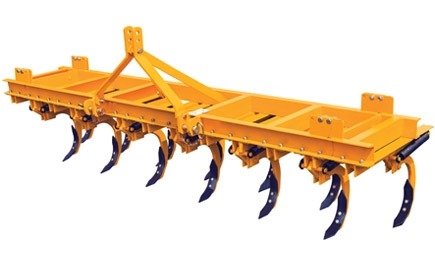
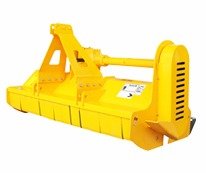
Farming has been the backbone of human civilization for centuries, but the tools we use to cultivate the land have come a long way. As the world’s population grows, the demand for more efficient, sustainable, and productive farming methods continues to rise. Enter the Tractors and Rotavators—machines that are transforming agriculture, helping farmers work faster and smarter. In this article, we’ll dive deep into how these machines are changing the face of farming and what the future holds for them.
1. Introduction to Modern Farming Tools
Farming is no longer just about manual labor and hard work. Thanks to machines like tractors and rotavators, farming has become more about strategy, efficiency, and innovation. Farmers today have access to tools that can cover acres of land in hours, not days, and help them achieve higher yields with less effort. But what makes tractors and rotavators so vital to modern agriculture?
2. The Evolution of Tractors and Rotavators
Before we explore how these machines are shaping the future of farming, it’s essential to understand their roots. The tractor was first introduced in the early 20th century, replacing animal-drawn plows and making it easier for farmers to till their fields. Over time, tractors became more advanced, incorporating features like hydraulic systems, GPS, and even automated steering. The rotavator, a more recent invention, complements tractors by breaking up soil, mixing nutrients, and ensuring crops have the best possible conditions to grow.
3. What Makes Tractors Essential in Farming?
The tractor is the backbone of most farms, and for good reason. It’s a versatile machine that can perform a wide range of tasks, from plowing and planting to hauling heavy loads. Tractors save time and labor, allowing farmers to manage larger fields and increase productivity. Imagine trying to plow an acre of land by hand—it would take days. With a tractor, that same job can be done in a matter of hours.
4. How Rotavators Complement Tractors
While tractors are the workhorses of the farm, rotavators add an extra layer of efficiency when it comes to preparing the soil. A rotavator is like a chef prepping ingredients before cooking, ensuring the soil is well-aerated and mixed with the right nutrients before planting. By breaking up the soil and removing weeds, rotavators give crops the best chance to thrive. Used together, tractors and rotavators form a powerful duo that makes farming faster and more productive.
5. The Role of Tractors in Sustainable Farming
In the face of climate change and environmental concerns, sustainability has become a major focus in agriculture. Tractors are adapting to this new reality with innovations that reduce fuel consumption and emissions. Many modern tractors are equipped with smart technology, allowing farmers to optimize fuel usage, reduce waste, and even use renewable energy sources. As we look toward the future, tractors will play a crucial role in creating a more sustainable farming industry.
6. Why Rotavators Are Key to Soil Health
Healthy soil is the foundation of any successful farm, and rotavators play a key role in maintaining it. By tilling the soil, rotavators help improve its structure, allowing for better water retention and nutrient absorption. This not only leads to healthier crops but also reduces the need for chemical fertilizers, which can harm the environment. In a way, using a rotavator is like giving the soil a workout—it stays fit and productive for the long haul.
7. Technological Innovations in Tractors and Rotavators
Technology is rapidly changing the face of agriculture, and tractors and rotavators are no exception. Some of the latest innovations include:
– GPS-guided tractors: These tractors can follow precise routes, reducing overlaps and ensuring every inch of the field is covered efficiently.
– Electric tractors: A greener alternative, electric tractors reduce emissions and are more cost-effective in the long run.
– Smart rotavators: Equipped with sensors, these machines can adjust their depth and speed based on the soil conditions, making them more efficient and reducing wear and tear.
These advancements are not only making farming more efficient but also helping to reduce its environmental impact.
8. The Environmental Impact of Tractors and Rotavators
While tractors and rotavators have transformed agriculture, it’s important to consider their environmental footprint. Older models of tractors, for example, rely on diesel fuel, which contributes to air pollution. However, the industry is moving toward greener alternatives, such as electric and hybrid models, to mitigate this impact. Rotavators, on the other hand, can help reduce the need for chemical fertilizers and pesticides by improving soil health naturally.
9. The Cost-Effectiveness of Modern Farm Machinery
Investing in a tractor or rotavator can be expensive, but in the long run, these machines are highly cost-effective. They reduce the need for manual labor, which not only cuts costs but also allows farmers to manage larger fields. Moreover, the improved efficiency and higher crop yields that come from using these machines lead to greater profits. It’s like investing in a good set of tools for your home—while the upfront cost is high, the long-term savings are substantial.
10. How Tractors and Rotavators Improve Crop Yields
When it comes to increasing crop yields, tractors and rotavators are invaluable. Tractors help with timely planting and harvesting, ensuring that crops are sown and collected at the optimal time. Rotavators, on the other hand, prepare the soil so that crops can grow in ideal conditions. Together, they help farmers maximize their output, producing more food with less effort. It’s like having a well-oiled machine—everything works together seamlessly to achieve the best results.
11. Future Trends in Agricultural Machinery
The future of farming is exciting, and tractors and rotavators will continue to play a significant role. Some emerging trends include:
– Automation: Self-driving tractors are already in development, which could allow farmers to manage their fields remotely.
– Precision farming: Using drones and sensors, farmers can gather real-time data about their crops and adjust their equipment accordingly.
– Sustainable technologies: Expect to see more energy-efficient tractors and rotavators that help reduce the carbon footprint of farming.
These trends are not only improving efficiency but also making farming more sustainable for future generations.
12. Conclusion: A Look Into the Future of Farming
As we look toward the future, it’s clear that tractors and rotavators will remain essential to farming. Their ability to increase efficiency, improve crop yields, and promote sustainable practices makes them indispensable tools for farmers worldwide. With ongoing innovations in technology, the future of farming looks bright—and these machines will continue to play a pivotal role in feeding the world.
—
Frequently Asked Questions (FAQs)
1. What are the main differences between tractors and rotavators?
Tractors are versatile machines used for various tasks like plowing, planting, and hauling, while rotavators specifically prepare soil by tilling and aerating it.
2. Can rotavators be attached to any tractor?
Most rotavators are designed to be attached to standard tractors, but it’s essential to ensure compatibility based on size and horsepower requirements.
3. How do tractors contribute to sustainable farming?
Modern tractors are equipped with fuel-efficient engines and smart technology that optimize fuel usage, reduce emissions, and support environmentally friendly practices.
4. What is precision farming, and how do tractors play a role in it?
Precision farming involves using data and technology to optimize agricultural processes. GPS-guided tractors are a key tool in precision farming, helping farmers manage their fields more accurately.
5. Are electric tractors and rotavators available, and are they cost-effective?
Yes, electric tractors and rotavators are emerging as more sustainable options. While they may have a higher initial cost, they save money on fuel and maintenance over time.