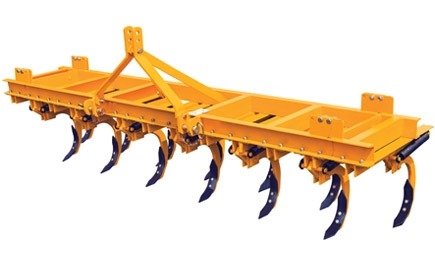
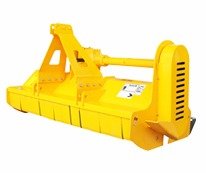
Agriculture is at the heart of human civilization, but the way we farm has evolved dramatically over time. The rise of machinery has enabled farmers to cultivate larger areas, increase productivity, and reduce labour costs. One key innovation is the rotavator, a machine that has transformed how farmers prepare their fields. This article delves into the world of rotavator manufacturers, exploring their impact on modern agriculture and how they’re transforming fields one at a time.
1. Introduction to Rotavators
Imagine farming without modern machinery—backbreaking work, slow progress, and limited output. But today, farming looks very different thanks to advanced tools like rotavators, which have become indispensable for soil preparation. These machines have made farming more efficient and productive, helping feed the growing global population. But how did rotavators rise to such prominence? Let’s explore the journey.
2. The History of Farming Equipment
Before we jump into the world of rotavators, let’s take a quick look back. Farming equipment has evolved for thousands of years, from simple hand tools to the mechanized marvels we have today. The invention of the low marked a major milestone, but the agricultural revolution really took off with the industrial age, when steam and, later, petrol-powered machines made large-scale farming possible. The rotavator, one of the latest innovations in this long history, plays a crucial role in preparing the soil, allowing farmers to plant crops more efficiently.
3. What is a Rotavator?
In simple terms, a rotavator is a machine designed to churn and aerate the soil, making it loose and ready for planting. It is powered by either a tractor or its own engine and uses rotating blades to break up the soil, mix nutrients, and remove weeds. It’s like giving the soil a refreshing makeover before planting seeds, ensuring that crops can take root in well-prepared ground.
4. How Rotavators Work: A Simple Breakdown
Rotavators operate using a set of rotating blades—often referred to as tines—that dig into the soil. As the machine moves forward, the tines turn the soil, breaking it up into smaller particles, much like a chef kneading dough to create a smooth texture. This action helps mix in nutrients, removes surface weeds, and creates an ideal environment for seeds to grow. The depth of soil penetration can be adjusted depending on the type of crop and soil conditions, making rotavators highly versatile.
5. The Growing Demand for Rotavators
With agriculture becoming more mechanized, the demand for rotavators has surged. Farmers now need efficient, reliable machines that can handle larger fields with less labour. The increased focus on sustainable farming practices has further pushed the demand for these soil-tilling machines. Whether it’s small-scale farmers or large agricultural enterprises, rotavators have become a go-to solution for preparing land quickly and effectively.
6. Major Players in Rotavator Manufacturing
Several companies have taken the lead in rotavator manufacturing, offering innovative models to meet the diverse needs of farmers worldwide. Some of the top players in the industry include:
– John Deere: Known for its robust farm equipment, John Deere has made its mark in rotavators as well.
– Mahindra & Mahindra: An Indian giant in agricultural machinery, Mahindra offers reliable and affordable rotavators.
– Kubota: This Japanese manufacturer is famous for its precision-engineered machines, including high-efficiency rotavators.
These companies, along with many others, continue to push the boundaries of what rotavators can do.
7. Technological Innovations in Rotavators
Technology is constantly improving, and rotavator manufacturers are no exception. Recent innovations include:
– GPS-guided rotavators: Helping farmers optimize field coverage with precision.
– Electric-powered rotavators: Reducing emissions and providing a greener alternative to traditional fuel-powered machines.
– Smart rotavators: Equipped with sensors that adjust the depth and speed of tilling based on soil conditions, reducing wear and tear on the machine and improving efficiency.
These advancements are making rotavators more user-friendly and better suited to the demands of modern farming.
8. How Rotavators are Revolutionizing Agriculture
The rise of rotavators is directly linked to the increased demand for more efficient farming practices. By significantly reducing the time and effort needed to prepare soil, rotavators have enabled farmers to increase their output while lowering labour costs. Moreover, rotavators ensure that the soil is perfectly aerated, which improves water retention and nutrient absorption—critical factors for high crop yields.
9. Benefits of Using Rotavators
There are many reasons why rotavators are transforming agriculture. Some of the most significant benefits include:
– Time efficiency: Rotavators can prepare large fields in a fraction of the time it would take with manual tools.
– Improved soil health: By aerating the soil, rotavators enhance its ability to retain moisture and nutrients.
– Weed control: Rotavators help manage weeds by churning them up before they can take root.
– Versatility: Rotavators can be used on various soil types and adjusted for different crops.
10. Environmental Impact of Rotavators
Though rotavators have transformed agriculture, it’s important to consider their environmental footprint. Modern manufacturers are focusing on creating machines that are not only efficient but also environmentally friendly. For example, the rise of electric-powered rotavators has helped reduce emissions, making farming practices more sustainable. By improving soil health, rotavators can also reduce the need for chemical fertilizers and pesticides.
11. The Future of Rotavator Manufacturing
The future of rotavator manufacturing looks promising, with ongoing innovations focusing on sustainability, efficiency, and automation. We can expect to see even more sophisticated smart rotavators that can adapt to changing soil conditions and crop types. Manufacturers will likely continue to reduce their environmental impact by designing machines that consume less fuel and produce fewer emissions.
12. Conclusion: Rotavators and the Future of Farming
The rise of rotavator manufacturers has marked a turning point in modern agriculture. These machines have not only made farming more efficient but also more sustainable. As technology continues to advance, rotavators will likely play an even bigger role in the future of agriculture, ensuring that farmers can meet the growing global demand for food.
Frequently Asked Questions (FAQs)
1. What is the difference between a rotavator and a cultivator?
A rotavator uses rotating blades to break up the soil, while a cultivator generally stirs the soil to prepare it for planting.
2. Can rotavators be used in all soil types?
Yes, rotavators are highly versatile and can be adjusted to work in a variety of soil types, from light sandy soil to heavier clay soil.
3. Are electric rotavators better than fuel-powered ones?
Electric rotavators are more environmentally friendly, producing fewer emissions. However, fuel-powered rotavators are still preferred for larger fields due to their power and efficiency.
4. How often should I use a rotavator on my field?
It depends on the crop cycle and soil conditions. Many farmers use rotavators at the start of the growing season to prepare the soil for planting.
5. What factors should I consider when buying a rotavator?
Consider the size of your land, the type of soil, and your budget. You should also look for features like adjustable depth settings and ease of maintenance.